How Long Does Sonata Stay in Your System? (2026)
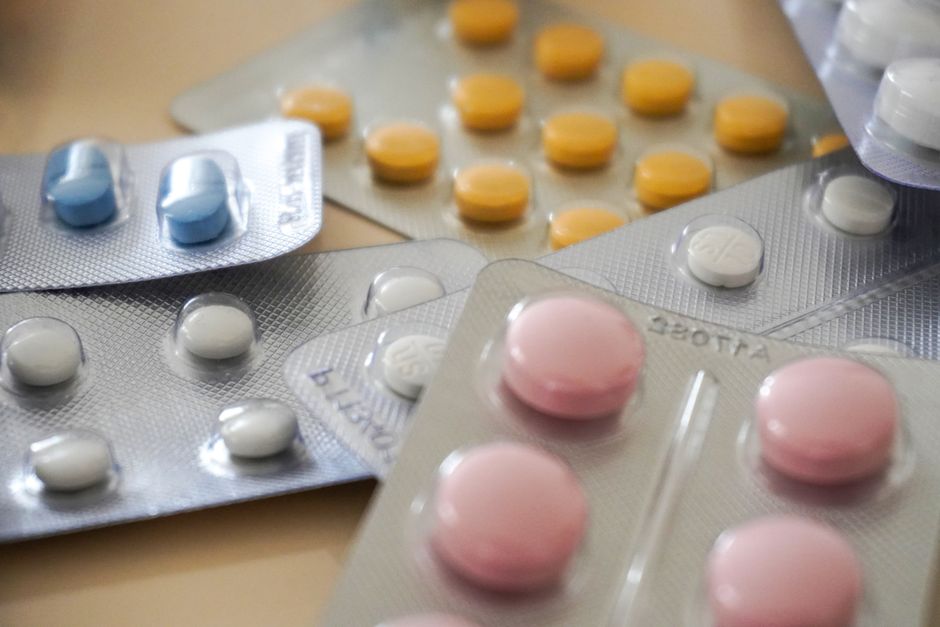
Sonata (zaleplon) has a half-life of 1 hour, and how long it stays detectable in your system depends heavily on which type of test is used. Sonata is a sedative or muscle relaxant, and detection time also depends on very short half-life means rapid clearance from blood compared to most sedatives.
How long does Sonata stay in your system (overview)?
Sonata's half-life of 1 hour determines roughly how quickly the body clears it, but the practical detection window depends on the specific test. Urine testing is the most common method and generally detects Sonata for 1-2 days. Blood tests typically have a shorter window, generally 6-10 hours, since blood reflects very recent use rather than use over the past several days or weeks.
Sonata detection by test type
Detection windows by test type: urine 1-2 days; blood 6-10 hours; saliva 1 day; hair follicle up to 90 days. Hair testing detects use over the longest historical window of any common method, while blood testing detects only the most recent use.
What affects how long Sonata stays in your system?
Detection time for Sonata is not the same for everyone. The main factors are very short half-life means rapid clearance from blood compared to most sedatives. Two people taking the same dose of Sonata can have meaningfully different detection windows because of these individual differences, which is why all detection time estimates are given as ranges rather than exact numbers.
💡 What to know if you have a system (overview) test coming up
For anyone trying to estimate how long Sonata will be detectable, the safest assumption is the longer end of the published range, since very short half-life means rapid clearance from blood compared to most sedatives all push detection time in the direction of being longer rather than shorter for many people.
Does Sonata's half-life tell the whole story?
Sonata's half-life of 1 hour is the starting point for estimating detection time, but it is not the same thing as the detection window itself. Half-life tells you how quickly the drug clears from the bloodstream, while detection window depends on the sensitivity of the specific test, the cutoff level used, and whether the test is looking for the original substance or a downstream metabolite that may persist longer.
- Detection windows are ranges, not guarantees — individual results can fall outside the typical range in either direction
- Hair follicle tests generally detect substance use over a much longer period than urine, blood, or saliva tests
- Frequency of use is one of the biggest factors — regular or heavy use extends detection time well beyond what a single use would produce
- There is no reliably proven way to artificially accelerate clearance — claims about detox drinks or special methods are not well supported by evidence
- If you are taking Sonata as prescribed medication, inform anyone administering a drug test, since this is relevant context for interpreting results
- Consult a healthcare provider or toxicologist for guidance specific to your situation, especially if test results have legal or employment consequences
Frequently asked questions
Sources
Detection windows are general estimates based on published pharmacokinetic ranges and vary significantly by individual factors including dose, frequency of use, metabolism, body composition, hydration, and the specific test used. This information is for educational purposes only and is not a guarantee of any specific test result. Always consult a healthcare provider or toxicologist for guidance specific to your situation.